


Understanding Concrete Pump Engine Requirements in NZ Conditions
Choosing the correct diesel engine for concrete pumps is a key decision for both original equipment manufacturers (OEMs) and contractors operating across New Zealand’s varied construction environments.
Concrete pumping is not a steady-load application. Engines must handle fluctuating hydraulic demand, shifting between peak pressure and idle phases throughout the pour cycle. When an engine is undersized or mismatched, the result is often overheating, inefficient fuel use, and inconsistent pumping performance.
In New Zealand, additional factors come into play. Coastal humidity, variable terrain, and long operating hours on infrastructure projects such as motorway upgrades or commercial builds in Auckland and Christchurch all place extra demands on equipment. That makes correct engine specification from the outset critical.
Working with a specialised off-highway supplier like DEUTZ ensures engines are configured specifically for these operating conditions rather than adapted from general-purpose designs.
Key Engine Requirements for Concrete Pump Applications
High torque at low RPM
Concrete pumps rely heavily on hydraulic systems to move dense material through pipelines. This requires strong torque at lower engine speeds.
A properly matched diesel engine for concrete pumps delivers consistent torque without excessive revving. In practical terms, this means smoother pumping, reduced wear, and improved fuel efficiency across long pours.
Reliable continuous operation
On many New Zealand job sites, especially large-scale civil works or commercial slab pours, pumps are expected to run for extended periods without interruption.
Engines must be designed for continuous duty cycles, maintaining stable temperatures and performance over long shifts. For example, during summer projects in regions like Hawke’s Bay or Canterbury, ambient temperatures combined with sustained workloads can quickly expose weaknesses in under-specified engines.
Compact and flexible integration
Truck-mounted and trailer-mounted concrete pumps often have limited space for engine installation. OEMs must integrate engines alongside hydraulic systems, cooling packages, and emissions components.
Modern off-highway engines are designed with compact footprints and modular cooling systems, making them easier to install while still delivering the required performance.
Emissions Compliance in New Zealand
New Zealand is increasingly aligning with global emissions standards for non-road diesel engines, including frameworks similar to European Stage V and United States Environmental Protection Agency (EPA) Tier 4.
The New Zealand Ministry for the Environment provides guidance on reducing emissions from industrial equipment and improving air quality across urban and regional areas.
Modern diesel engines for concrete pumps incorporate advanced fuel injection systems and exhaust after-treatment technologies. These innovations allow operators to meet compliance requirements without sacrificing power or efficiency.
Application Example: Matching an Engine to a Trailer Pump
Consider this hypothetical scenario.
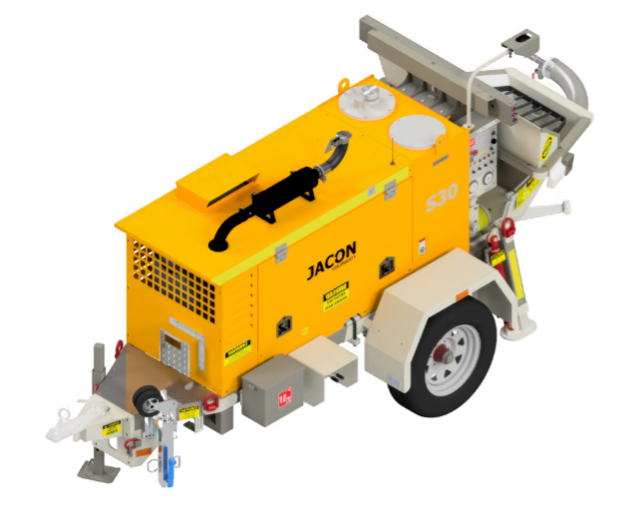
On a residential development site in West Auckland, a trailer-mounted concrete pump is positioned at street level. Concrete is delivered via transit mixers and fed into the hopper. The pump then transfers the material through a network of pipes to elevated slab formwork where direct truck access is not possible.
In this case, a well-matched diesel engine for concrete pumps ensures consistent hydraulic pressure, enabling smooth and continuous placement. If the engine were underpowered, operators could face pressure drops, delays, and increased fuel consumption.
Support from an Experienced Engine Supplier
Selecting an engine involves more than just horsepower ratings. Key considerations include:
- Torque characteristics
- Cooling capacity
- Duty cycle requirements
- Integration with hydraulic systems
Partnering with an experienced supplier such as DEUTZ provides access to:
- Application-specific cooling solutions
- Integrated electronic engine controls
- Strong local service and parts support across New Zealand
- Ongoing compliance with evolving emissions standards
Early collaboration during the design phase can also reduce engineering complexity and improve overall equipment performance.
Choosing the Right Engine Partner in NZ
New Zealand’s construction sector continues to grow, driven by housing demand and infrastructure investment. Equipment reliability is essential to keep projects on schedule and within budget.
Selecting the right diesel engine for concrete pumps delivers:
- Consistent and efficient pumping performance
- Reduced fuel and operating costs
- Compliance with environmental standards
- Long-term durability across varied conditions
To explore suitable engine options, visit: DEUTZ Industrial Engines for Construction Equipment
Or speak with your local DEUTZ distributor in New Zealand to determine the best engine configuration for your specific concrete pump application.