


When choosing an industrial generator, the kVA rating is an obvious place to start. It tells you how much apparent power the generator can supply and helps establish whether a unit has sufficient capacity for the application.
But it doesn’t tell you how well the engine will perform after thousands of operating hours.
For businesses relying on generators for construction sites, industrial facilities, remote operations or critical infrastructure, long-term performance depends on much more than output alone. Duty cycle, fuel efficiency, operating environment, maintenance requirements and access to technical support can all influence the reliability and whole-of-life cost of an industrial generator engine.
For dealers specifying equipment and operators who depend on reliable power, it pays to look beyond the number on the nameplate.
Why kVA Is Only Part of the Generator Specification
Two generators with the same kVA rating can deliver very different results over their working lives.
The kVA figure describes the generator’s electrical capacity, but it doesn’t tell you:
- How the engine performs during extended operation and changing load conditions
- How efficiently it uses fuel when operating below maximum load
- Its expected service intervals and overhaul requirements
- How effectively the engine manages temperature, vibration and demanding site conditions
- Whether replacement parts and experienced technical support are readily available
- Whether the engine is designed for occasional standby use or regular prime power operation
These differences become increasingly important when a generator is expected to operate for long periods rather than simply provide emergency backup.
A well-matched industrial generator engine needs to suit not only the required output, but also how the generator will actually be used.
Prime power and standby engines have different jobs
One of the most important distinctions when specifying a generator is the intended duty.
A standby generator is primarily there to provide power when the normal electricity supply is interrupted. Depending on the site, it may accumulate relatively few operating hours each year.
Prime power is different.
A prime power diesel engine may be required to operate for extended periods as a site’s main source of power, often while handling varying loads throughout the day. Applications can include remote worksites, construction projects, industrial facilities and other locations where mains power is unavailable or unsuitable.
That makes correct engine selection particularly important.
When assessing an industrial generator engine or generator engine supplier in New Zealand, consider:
- Whether the engine rating genuinely matches the intended duty cycle
- Proven performance in comparable industrial applications
- Expected service intervals and maintenance requirements
- Fuel consumption across realistic operating loads
- Parts availability and access to experienced technical support
- Monitoring and diagnostic capabilities
- Compliance with applicable New Zealand requirements and standards
DEUTZ engines are designed for demanding industrial applications, with generator solutions available for a range of power requirements and operating environments.
Matching the industrial generator engine to the generator’s actual duty is critical. An engine selected for the correct load profile and operating hours is better positioned to deliver reliable performance and predictable maintenance over its working life.
Look beyond the headline specifications
Some of the most important characteristics of a diesel generator engine aren’t necessarily the figures that receive the most attention on a product sheet.
For generators expected to operate regularly, it’s worth looking closely at how the engine is designed to perform under sustained and variable loads.
Cooling capacity, engine construction, fuel injection technology and overall thermal management can all affect how an engine performs during long operating periods. Service intervals and ease of maintenance also become increasingly important as annual running hours increase.
This is why simply comparing two generators on kVA and purchase price can be misleading.
The better question is whether the industrial generator engine has been engineered for the way the generator will actually operate.
A typical prime power industrial generator engine application
Consider a remote industrial operation without a reliable connection to the electricity grid.
Here, the generator isn’t sitting idle waiting for an outage. It may be supplying power to equipment, workshops, site facilities and other essential infrastructure for extended periods every day.
In this situation, choosing an engine primarily around a standby rating could result in a poor match between the equipment and its actual workload.
Instead, the generator needs an engine correctly specified for prime power operation, with the durability to manage extended running hours and changing load requirements.
A correctly specified DEUTZ-powered genset can provide the engine performance required for demanding applications while giving operators access to the servicing, diagnostics and parts support needed throughout the equipment’s working life.
When generated power is fundamental to day-to-day operations, engine selection directly influences uptime, maintenance requirements and total cost of ownership.
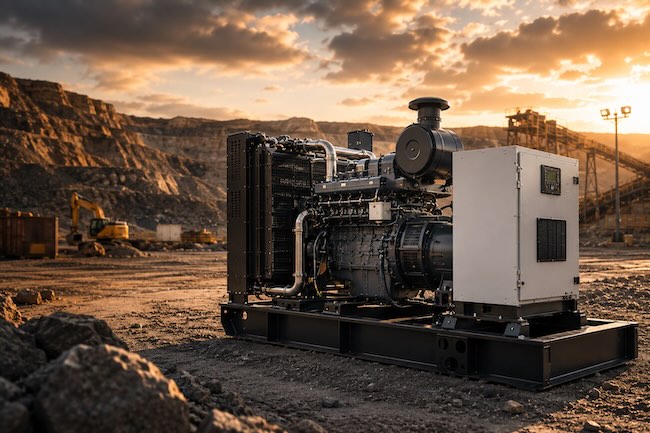
Choosing the Right Industrial Generator Engine
The kVA rating tells you whether a generator has the capacity to do the job. Choosing the right industrial generator engine requires looking deeper.
Consider how many hours the generator will operate, whether the load will remain constant or fluctuate, the conditions in which it will work, maintenance requirements and the support available throughout its service life.
These factors can make a substantial difference to reliability and operating costs over the long term.
DEUTZ works with customers and authorised partners to help match engines and generator solutions to demanding industrial applications throughout New Zealand.
Talk to an authorised DEUTZ dealer to discuss your generator requirements and find the right engine for the application.