

Learn how to size a DEUTZ BESS for agribusiness in NZ. Discover how to balance solar, wind, and diesel energy to improve efficiency and sustainability.
Across New Zealand’s farms and rural industries, energy reliability is crucial. From irrigation to processing, operations depend on steady power. A DEUTZ Battery Energy Storage System (BESS) used with solar, wind or diesel helps manage energy more efficiently and reduces costs.
Here’s how to size a DEUTZ BESS correctly for New Zealand conditions.
Understanding the Role of a DEUTZ BESS in Agribusiness
A BESS acts as an energy bank, storing surplus power from renewables or gensets and releasing it when demand increases.
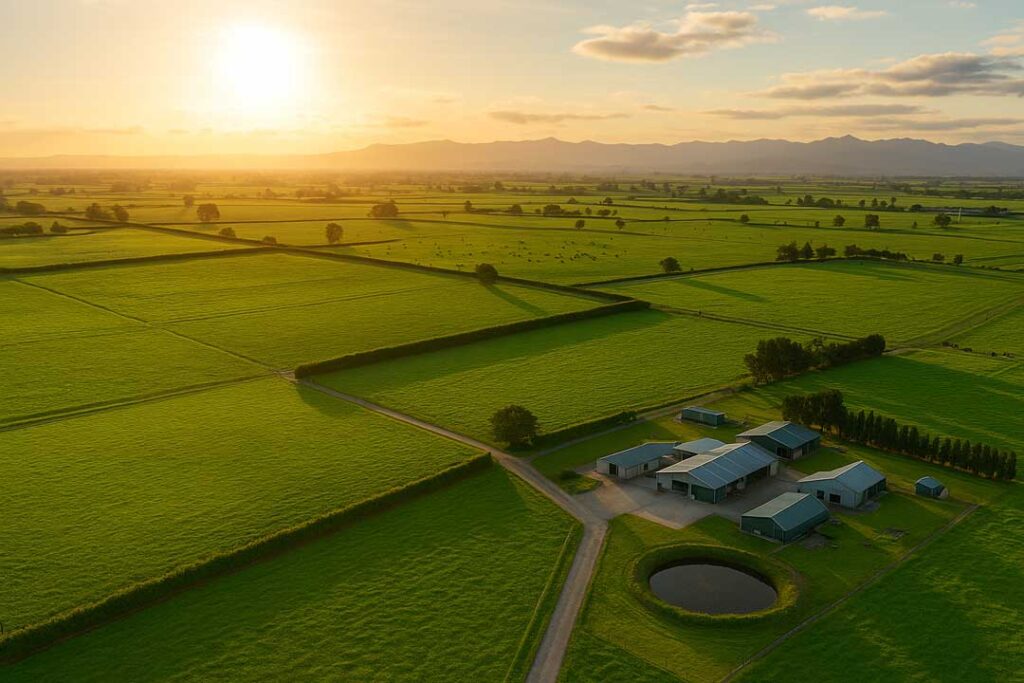
For example, a Canterbury dairy farm may generate ample solar power during the day but need energy for irrigation and cooling at night. A DEUTZ BESS stores daytime power for use after sunset, reducing diesel use and ensuring reliable supply.
Steps to Sizing a DEUTZ BESS for agribusiness
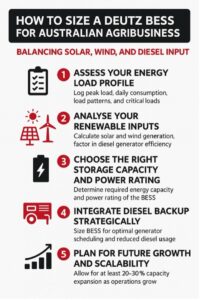
Step 1: Understanding your energy load
Before selecting any equipment, take a close look at how and when your business uses power. Record your:
- Peak demand (kW): the maximum draw when everything’s running at once.
- Daily usage (kWh): the total amount of energy used in 24 hours.
- Load patterns: when demand is highest (daytime, evening or overnight).
- Critical loads: items that must stay powered, such as pumps, milk vats or refrigeration units.
A month or two of accurate data can make all the difference. Many farms use energy-monitoring tools to capture this information, but even regular meter readings can help build a clearer picture.
Once you understand your load profile, you can tailor your DEUTZ BESS to meet your specific needs instead of relying on guesswork.
Step 2: Assess your renewable inputs
Next, consider what energy sources are available on your property. Most New Zealand farms now use some mix of solar PV, wind generation or diesel backup.
- Solar: On average, many regions receive between 4 and 5 kWh/m²/day of solar radiation. Northern areas like Waikato or Northland often see higher numbers.
- Wind: Coastal and hill-country sites can achieve excellent wind generation, especially through the lower South Island.
- Diesel: Even efficient gensets usually operate at 30–40 percent efficiency, so the aim is to let them run less often and at steadier loads.
Understanding these inputs helps you decide how large your BESS should be to store excess renewable energy for later use. You can also explore local resources like the Energy Efficiency and Conservation Authority (EECA) for regional data and renewable-energy planning tools.
Step 3: Select the right capacity and power rating
Every DEUTZ BESS is modular, so it can grow with your business. Two key factors determine how it will perform:
- Energy capacity (kWh): the total amount of electricity the battery can store.
- Power rating (kW): how quickly that energy can be delivered to meet demand.
For example, a Hawke’s Bay orchard processing facility using 100 kWh of energy each day might benefit from a 150 kWh DEUTZ BESS with a 60 kVA genset. This gives enough capacity to handle busy periods and allows the genset to run at its most efficient output when charging the battery.
A good rule of thumb is to allow a little extra headroom, roughly 20 percent above your average daily use, so your system isn’t constantly at full stretch.
Step 4: Integrate diesel backup wisely
Even in a country with strong renewables, diesel still plays an important supporting role. A correctly sized BESS lets your genset run in shorter, more efficient bursts rather than constantly idling.
Picture a Southland cropping operation facing a week of cloudy weather. Instead of running the generator non-stop, the DEUTZ BESS steps in to supply power from stored energy. When the battery drops to a set level, the DEUTZ genset automatically starts, runs at optimum load to recharge the system, and then shuts down again.
That kind of coordination can reduce fuel use by around 60 percent, extend engine life and lower maintenance costs.
Step 5: Plan for growth and scalability
Farms evolve, and so will your energy requirements. New buildings, machinery and automation systems can increase demand over time.
DEUTZ BESS units are modular, which means you can add battery modules or integrate more solar or wind capacity later on. It’s wise to plan for at least 20–30 percent additional capacity when designing your initial system. That way, you’ll be ready for future growth without replacing major components.
The Smart Path to Sustainable Energy in NZ Agribusiness
Sizing a DEUTZ BESS isn’t just about picking a battery size; it’s about understanding your operation and finding a balance between renewables, storage and diesel. The right system improves efficiency, lowers running costs and supports your sustainability goals.
To discuss a customised setup for your property, contact DEUTZ New Zealand or your nearest authorised dealer.