

Why Investing in BESS Pays Off
For many New Zealand businesses, investing in Battery Energy Storage Systems (BESS) is no longer just about going green, it’s about gaining energy control and reducing operating costs.
Whether you’re managing a remote bach, off-grid agricultural site, or a mobile worksite, the rising cost of diesel and the increasing push toward low-emission energy mean BESS offers a clear financial and operational upside.
DEUTZ BESS units are built for hybrid use (diesel and solar), remote deployment, and harsh conditions which make them ideal for New Zealand’s rural and regional landscapes.
But what about the numbers?
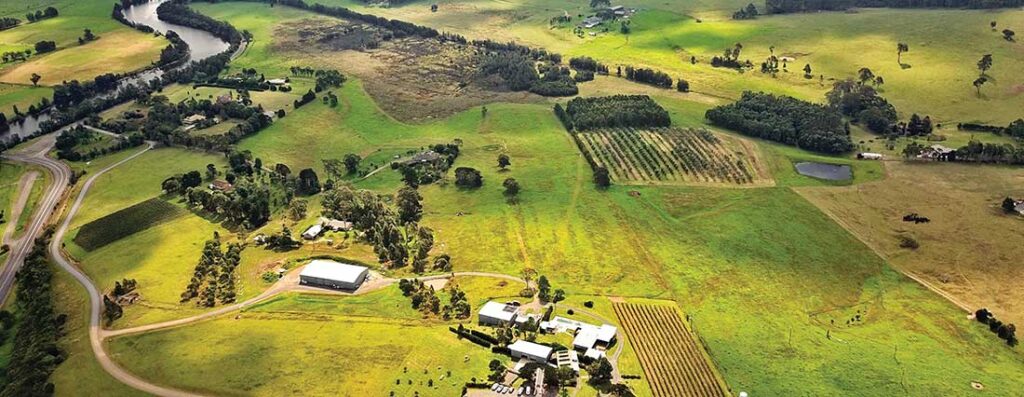
Case study: Off-grid Australian homestead with DEUTZ BESS
Location: Northern Australia
Challenge: High diesel usage and zero renewable integration
Daily usage: 240 kWh per day
Previous setup: 60kVA diesel generator running 24/7
Key issues:
- Over 40,000 litres of diesel used annually
- Rising fuel and servicing costs
- Significant emissions output (over 245 tonnes CO₂ projected over 15 years)
- No energy flexibility or backup system
The DEUTZ BESS solution
The homestead upgraded to a DEUTZ Off-Grid Power Solution, including:
- DEUTZ BESS Model DBS 45/105
- 45kVA battery inverter
- 105kWh battery bank
- 50kW PV inverter
- 40kW solar array
- 60kVA DEUTZ DPS 62DB diesel genset
This hybrid system now supplies the majority of daily power via solar and battery, with the genset used only during peak demand or extended cloudy periods.
The outcome: Over $500,000 in lifetime savings
By shifting to this integrated system, the homestead achieved:
- 70% reduction in diesel usage
- $516,000+ in total savings over 15 years
- 245 tonnes of CO₂ emissions avoided
- Payback period: 5 years
- System lifespan: 15+ years
Not only did the BESS deliver energy resilience, but it also reduced operating costs, maintenance needs, and environmental impact.
Breaking down the battery energy storage system ROI
Let’s look at where the savings stack up:
Before BESS:
- Diesel (110L/day): ~$62,000/year (see fuel cost calculator)
- Generator servicing: $12,000/year
- Generator replacement: $30,000 every 5 years
After BESS install:
- Fuel use cut by 70%
- Fewer generator hours = lower service costs
- Solar input = zero marginal cost
- Long system life = stronger long-term value
Over time, these savings compound—especially in remote regions where refuelling and repair logistics add complexity.
Battery Energy Storage System ROI: Strategic benefits beyond the numbers
The financial ROI is clear, but BESS also delivers operational and strategic value, including:
- Energy stability during outages or bad weather
- Noise reduction, improving livability on-site
- Emission reductions supporting ESG goals
- Scalability to expand with your needs
For industries like construction, agriculture, and mining, this translates into better uptime, more flexibility, and future-ready infrastructure.
Built for New Zealand conditions
Every DEUTZ BESS is engineered for the realities of the NZ landscape:
- Rugged, compact, weather-sealed design
- Remote system monitoring and diagnostics
- Plug-and-play installation (qualified electrician required)
- End-of-life battery recycling program included
Whether you’re powering a remote station, a mobile crew site, or a regenerative farm, BESS helps reduce reliance on fossil fuels while increasing control.
When does BESS make the most sense?
A DEUTZ Battery Energy Storage System is especially suitable if:
- You’re located off-grid or on an unreliable grid
- Your fuel and servicing costs are rising
- You’re ready to add solar (or already have)
- You need quiet, clean, consistent energy
It’s about more than cost-cutting. It’s about building energy security for your business or property.
Let’s explore your site’s BESS potential
If you’re considering a smarter energy setup, DEUTZ NZ can assess your energy load, future growth plans, and operating conditions.
We’ll prepare a custom ROI forecast to help you understand how quickly a BESS can pay itself off (and how much you could save over its lifetime).